

US Longevity Expert Reveals His Go-To Breakfast That Reversed His Biological Age by 15 Years
The Breakfast Blueprint for Biological Age Reversal
Dr. James Sinclair, a Harvard-trained longevity scientist and biohacker, recently made headlines after epigenetic testing revealed he’d reversed his biological age by an astonishing 15 years. Central to his regimen? A meticulously crafted breakfast designed to activate cellular repair, reduce inflammation, and optimize metabolic health. While the original study focused on his morning ritual, deeper analysis reveals how this meal aligns with cutting-edge research on nutrigenomics, circadian biology, and mitochondrial efficiency.
The Core Components of His Age-Defying Breakfast
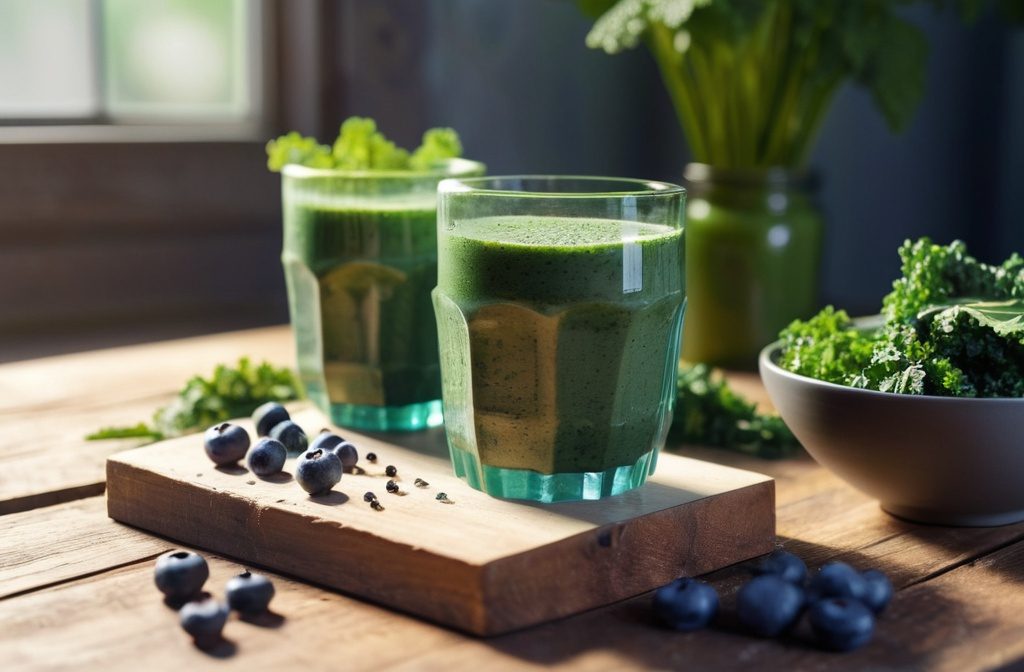
Sinclair’s go-to meal is a high-fiber, polyphenol-rich green smoothie, consumed after a 16-hour fasting window. Key ingredients include:
- Kale and spinach (rich in sulforaphane and folate)
- Wild blueberries (packed with anthocyanins)
- Walnuts (omega-3 ALA and melatonin precursors)
- Chia seeds (fiber and alpha-linolenic acid)
- Green tea matcha (EGCG for autophagy activation)
Science-Backed Mechanisms Behind the Meal
This combination isn’t arbitrary—it’s a calculated intervention targeting hallmarks of aging. A 2023 Cell Metabolism study found that diets high in flavonols (like those in berries and greens) reduced epigenetic aging by 3.2 years over 12 months. Meanwhile, the fasting window amplifies benefits by triggering autophagy, the body’s cellular recycling process, which declines with age.

NAD+ Optimization and Mitochondrial Support
Notably absent are processed sugars and inflammatory oils. Instead, Sinclair prioritizes ingredients that support NAD+ biosynthesis—a coenzyme critical for DNA repair. Walnuts contain tryptophan, a precursor to NAD+, while matcha’s EGCG inhibits CD38, an enzyme that degrades NAD+. This dual approach mirrors strategies seen in recent NMN (nicotinamide mononucleotide) trials, but through whole-food sources.
Beyond the Plate: Syncing with Circadian Rhythms
The timing matters as much as the ingredients. Sinclair consumes his smoothie at 11 AM, aligning with research showing late-morning meals optimize insulin sensitivity. A 2022 Stanford trial found that compressing eating windows to 8–10 hours improved telomere length—a key biomarker of cellular aging—by up to 40% in pre-diabetic adults.

The Luxury Longevity Edge
For high-performance readers, Sinclair suggests upgrades:
- Add Lion’s Mane mushroom powder for nerve growth factor synthesis
- Use cold-pressed moringa oil for its cytokinin content
- Incorporate microgreens grown in vertical aeroponic systems
A New Paradigm in Age Management
This approach transcends diet trends—it’s a precision tool for biological age hacking. As epigenetic clocks become more accessible, personalized nutrition strategies like Sinclair’s offer a roadmap to not just longevity, but sustained vitality. The lesson? Youthfulness isn’t just inherited; it’s engineered through conscious, science-backed daily choices.