

Could Eternal Life Begin in the 2030s? Longevity Breakthroughs Explored
The Quest for Eternal Life: From Sci-Fi to Science
For centuries, humans have dreamed of cheating death. Today, advances in biotechnology and artificial intelligence are transforming this fantasy into a tangible goal. Researchers now suggest that **by the 2030s**, breakthroughs in longevity science could allow humans to radically extend their lifespans—or even overcome aging altogether.
Why the 2030s? A Timeline of Innovation
The next decade is poised to become a turning point. Aging, once seen as an immutable process, is now understood as a biological mechanism that could be manipulated. Key factors driving this shift include:
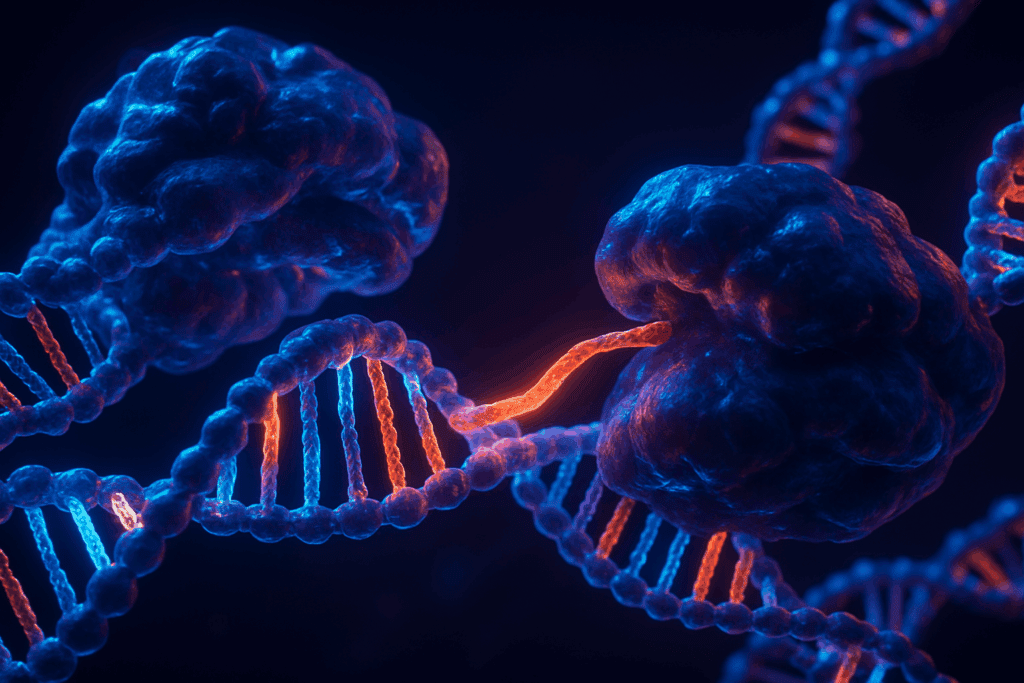
- CRISPR gene-editing: Precision tools to repair age-related DNA damage.
- Senolytics: Drugs that eliminate “zombie cells” linked to aging.
- AI-driven drug discovery: Accelerating the development of anti-aging therapies.
Breakthroughs Redefining Human Longevity
1. Gene Editing: Rewriting Our Biological Code
CRISPR-Cas9 technology has already shown promise in reversing age-related decline in animal studies. By editing genes associated with diseases like Alzheimer’s and heart failure, scientists aim to delay or prevent age-related illnesses.
2. Senolytics: Clearing Cellular “Dead Weight”
Senescent cells, which stop dividing but refuse to die, accumulate with age and release harmful chemicals. Senolytic drugs like Dasatinib and Quercetin are being tested to selectively remove these cells, rejuvenating tissues and improving metabolic function.
3. AI and Longevity: A Match Made in Silicon
Machine learning algorithms analyze vast datasets to identify aging biomarkers and predict drug efficacy. Companies like Insilico Medicine use AI to design molecules that target aging pathways—cutting research timelines from years to months.
The 2030s: A New Era of “Longevity Escape Velocity”?
The concept of longevity escape velocity—extending life faster than we age—could become reality. If therapies add more than one year of life expectancy per year, humans might effectively “outrun” death. Experts argue that incremental advances in the 2030s could set this cascade in motion.
Ethical and Social Implications
- Could eternal life exacerbate inequality?
- How would pension systems or healthcare adapt?
- Will societies redefine purpose in an ageless world?
Challenges Remain: The Road Ahead
While progress is rapid, hurdles persist. Aging is a complex interplay of genetics, environment, and lifestyle. Universal access to therapies, regulatory approval, and long-term safety data remain unresolved. As biologist Dr. Aubrey de Grey notes, “The first person to live to 1,000 might already be alive—but we need to act quickly.”
A Cautious Optimism
The dream of eternal life is no longer confined to mythology. With science advancing at breakneck speed, the 2030s could mark the dawn of a longevity revolution. Yet, as we reimagine the human lifespan, balancing ambition with ethics will be critical.
Closing thought: Whether immortality arrives in the 2030s or beyond, the pursuit of longevity is reshaping medicine—and our very understanding of what it means to be human.