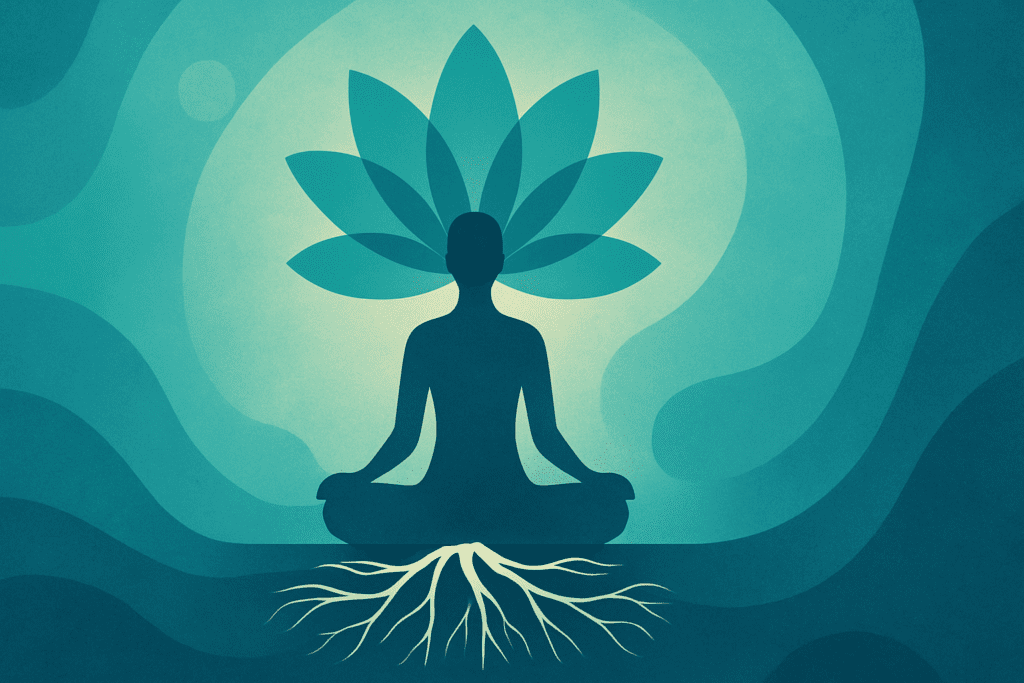

Discover Ayurveda Therapy: Mental Healing through Your True Self
What Is Ayurveda?
Ayurveda is an ancient system of holistic healing that originated in India over 5,000 years ago. Rooted in the belief that mind, body, and spirit are deeply connected, it focuses on balancing these elements to achieve optimal health. Unlike modern medicine, which often treats symptoms, Ayurveda addresses the root causes of imbalance, guiding individuals toward harmony with their natural state—or their “true self.”
The Three Energy Types: Vata, Pitta, and Kapha
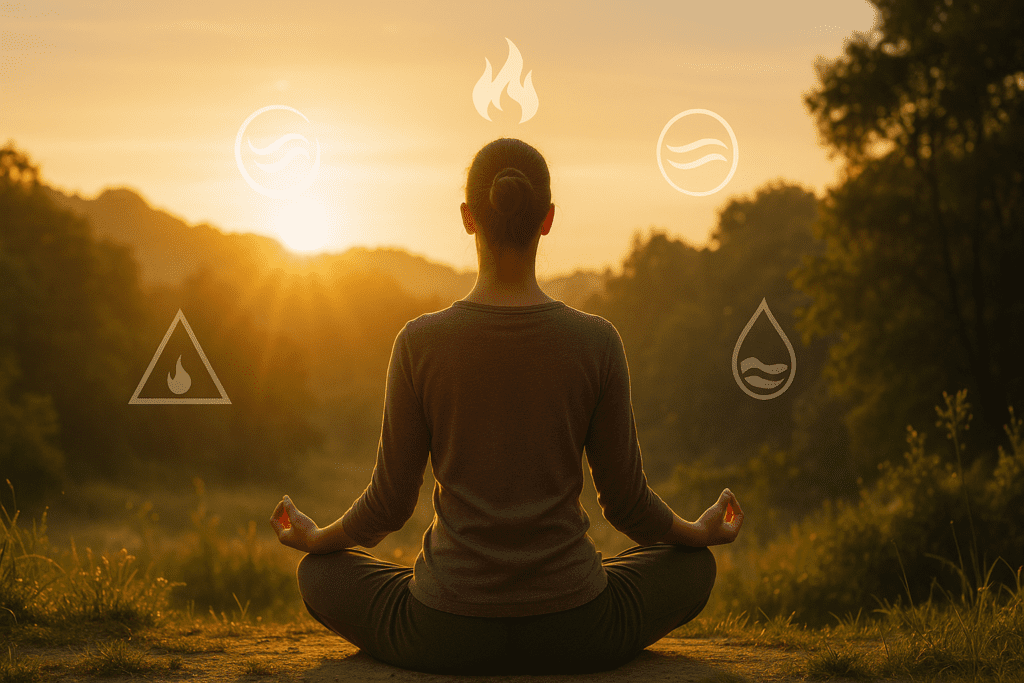
Central to Ayurveda are the three doshas, or energy types, that govern our physical and mental traits:
– Vata (Air + Space): Linked to movement and creativity. When imbalanced, it may cause anxiety or restlessness.
– Pitta (Fire + Water): Governs digestion and ambition. Excess pitta can lead to irritability or perfectionism.
– Kapha (Earth + Water): Provides stability and calm. Imbalanced kapha might result in lethargy or resistance to change.
Each person has a unique mix of these energies, called their “natural constitution.” Ayurveda psychology aims to restore balance to these energies, fostering mental clarity and emotional resilience.
How Ayurveda Supports Mental Health
Modern life often disrupts our natural rhythms, leading to stress, anxiety, or burnout. Ayurveda offers tools to realign with your true self:
1. Mindfulness Through Meditation
Ayurveda emphasizes daily meditation to calm the mind. Simple practices, like focusing on your breath or repeating a soothing mantra, help quiet mental chatter and reconnect you with your inner peace.

2. Nutrition as Medicine
Food is seen as a healing tool in Ayurveda. Eating according to your dominant dosha can stabilize moods and energy. For example:
– Vata types benefit from warm, grounding meals like soups.
– Pitta types thrive with cooling foods like fresh salads.
– Kapha types need light, spicy dishes to boost energy.
3. Herbal Remedies and Self-Care Rituals
Herbs like ashwagandha (for stress relief) and brahmi (for mental clarity) are commonly used. Daily rituals, such as self-massage with warm oil or gentle yoga, also nurture the mind-body connection.
Integrating Ayurveda into Daily Life
You don’t need a complete lifestyle overhaul to benefit from Ayurveda. Start small:
– Wake up early: Align with the natural rhythm of the sun.
– Practice gratitude: Write down three things you’re thankful for each morning.
– Detox digitally: Take breaks from screens to reduce mental overload.
By making these steps a habit, you create space for mental healing and self-discovery.
Embrace Your True Self
Ayurveda teaches that mental well-being comes from living in harmony with who you truly are—not who the world expects you to be. By understanding your dosha, nourishing your body, and prioritizing mindfulness, you can cultivate a life of balance, purpose, and joy.