

The Surprising Ability Linked to a Longer, Healthier Lifespan
The Secret to Longevity Isn’t Just Diet or Exercise
When we think of longevity, images of leafy greens, daily runs, or cutting-edge supplements often come to mind. But groundbreaking research suggests there’s another, often overlooked trait that could be the true game-changer: adaptability. The ability to adjust to life’s challenges—both physically and mentally—may hold the key to not just surviving, but thriving well into old age.
Why Adaptability Matters for Lifespan
Adaptability isn’t just about “rolling with the punches.” It’s a biological and psychological superpower that influences how our bodies respond to stress, recover from illness, and maintain resilience over time. Studies show that individuals who adapt well to change tend to:
– Experience lower stress levels, reducing inflammation linked to chronic diseases.
– Maintain stronger cognitive function by fostering neural plasticity.
– Build deeper social connections, a proven factor in longevity.
– Adopt healthier habits more easily, from nutrition to sleep routines.
The Science Behind Adaptability and Aging
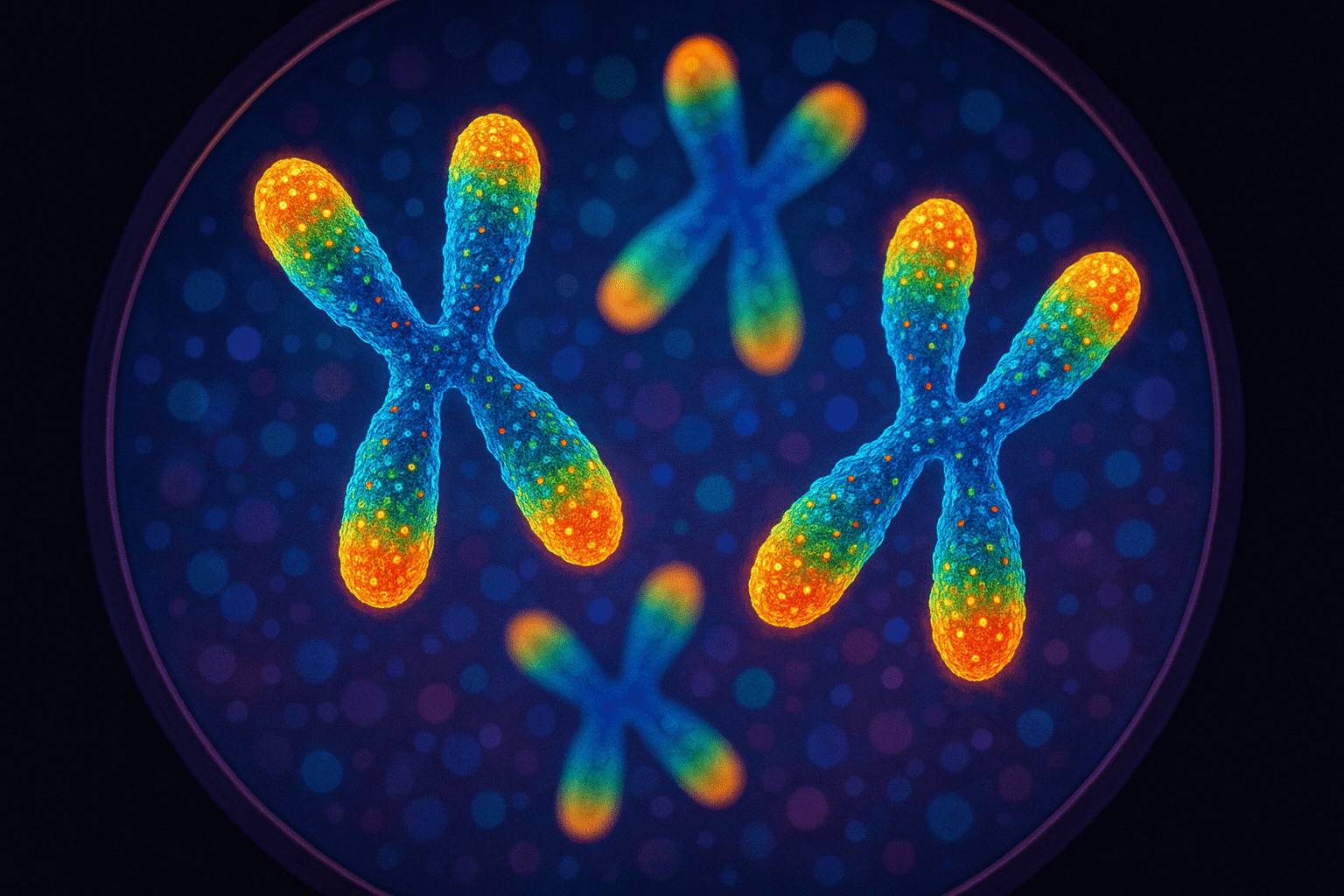
At a cellular level, adaptability is tied to telomere length—the protective caps on our chromosomes that shorten as we age. Chronic stress accelerates this shortening, but adaptable individuals often manage stress more effectively, preserving telomere integrity. Additionally, adaptability encourages epigenetic flexibility, allowing genes associated with longevity to express more favorably.
How to Cultivate Adaptability
The good news? Adaptability isn’t fixed; it’s a skill you can develop. Here’s how:
– Embrace novelty: Try new activities or hobbies to stimulate mental and physical agility.
– Practice mindfulness: Meditation or deep-breathing exercises enhance emotional regulation.
– Reframe challenges: View setbacks as opportunities for growth rather than threats.
– Stay socially curious: Engage with diverse perspectives to build empathy and cognitive flexibility.
Real-World Examples of Adaptive Longevity
Consider the residents of Okinawa, Japan, a Blue Zone known for exceptional lifespan. Their cultural emphasis on “ikigai” (a sense of purpose) and “moai” (social support networks) reflects adaptability through community and mindset. Similarly, centenarians often share stories of resilience during hardship, highlighting how adaptability shapes their life trajectories.

The Future of Longevity Research
Scientists are now exploring how adaptability intersects with AI-driven health tools and personalized medicine. Imagine wearable tech that teaches stress-management techniques in real-time or therapies that enhance neural plasticity. The goal? To make adaptability a measurable, trainable component of health.
Final Thoughts
While diet and exercise remain vital, adaptability emerges as the unsung hero of longevity. By nurturing this trait, we empower ourselves to navigate life’s uncertainties with grace—and possibly add years to our lives.